reVITALISING PUBLIC SPACES

Using the framework developed by Greater Bangalore Authority (GBA), our four proposals in Jakkur/Thanisandra transform underused public spaces into happy, equitable, and climate-responsive community assets.

From neighborhood nominations to community-led transformation: public spaces that belong to everyone — regardless of gender, caste, disability, or income.
Unsafe spaces force people to change how they dress, travel, or even go out. This isn’t inconvenience — it’s a barrier to dignity, freedom, and city life.
ABOUT the PROJECT:
Revitalising Public Spaces is a city-wide initiative developed by the Greater Bangalore Authority (GBA), Sensing Local, Institute of Urban Designers India (IUDI) Karnataka, and Bengaluru Ward Samiti Balaga.
Using the framework developed by Greater Bangalore Authority (GBA), our four sites in Jakkur/Thanisandra transform underused public spaces into equitable, climate-responsive community assets.
Site 2: Already funded under the National Clean Air Programme (NCAP)
Sites 1, 3, 4: Ready for CSR/state partnerships
ABOUT our proposals AND APPROACH:

Safer streets for all through intersectional design

Sustainable, human-centric architecture using local, climate-responsive materials

Eco-centric community-led interventions
Our approach brings together INAC India, Manasaram Architects, and CGBMT to design public spaces that are people-first, feminist, and climate-aware. We combine on-ground conversations with residents and workers with careful spatial analysis to understand how safety, mobility, livelihoods, and everyday joy intersect in North Bangalore’s streets and junctions.
Community-led design: Ground-up conversations with residents, vendors, students, and workers shape every intervention
Intersectional lens: Feminist, disability-inclusive planning ensures safety for women, elders, children, and marginalized users
Low-tech sustainability: Bamboo, native trees, and local materials over concrete-heavy solutions
Vendor-first layouts: Organized hawker zones with toilets, water, and shade support livelihoods instead of displacement
Context-responsive architecture: Manasaram's human-centric designs balance functionality, climate adaptation, and aesthetic coherence
Multi-functional public realms: Spaces evolve with community needs—play by day, gatherings by night, markets on weekends
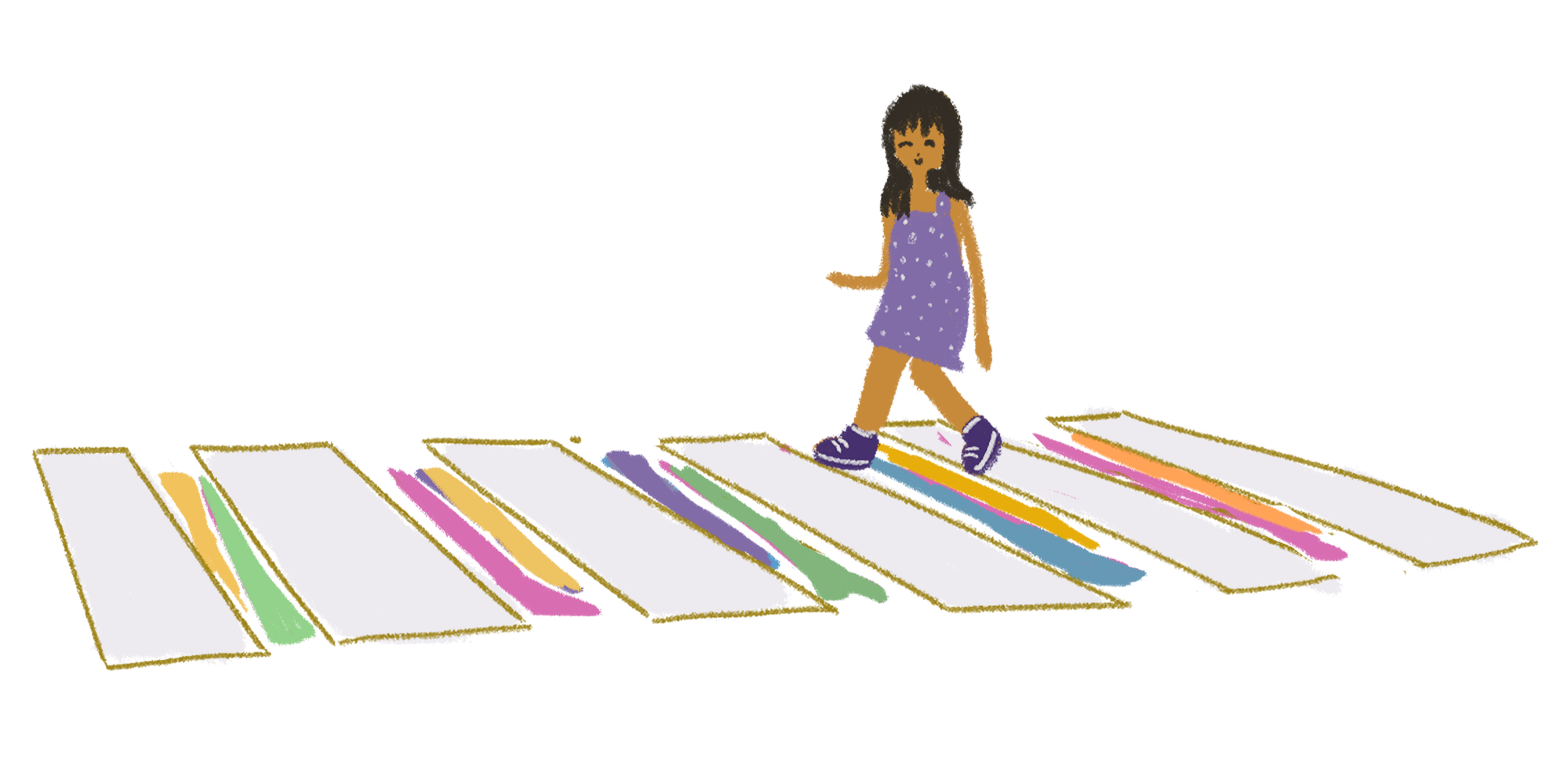
Across all four sites, we prioritise low-tech, locally appropriate solutions: bamboo and shade trees over concrete, vendor-friendly layouts over displacement, art and lighting instead of hostile design. By working with communities, ward representatives, and city institutions, we aim to create public spaces that are not just better designed but genuinely co-owned, easier to maintain, and replicable in other neighbourhoods of “New Bangalore.”
HEAR FROM JAKKUR AND THANISANDRA RESIDENTS
-
![]()
divya
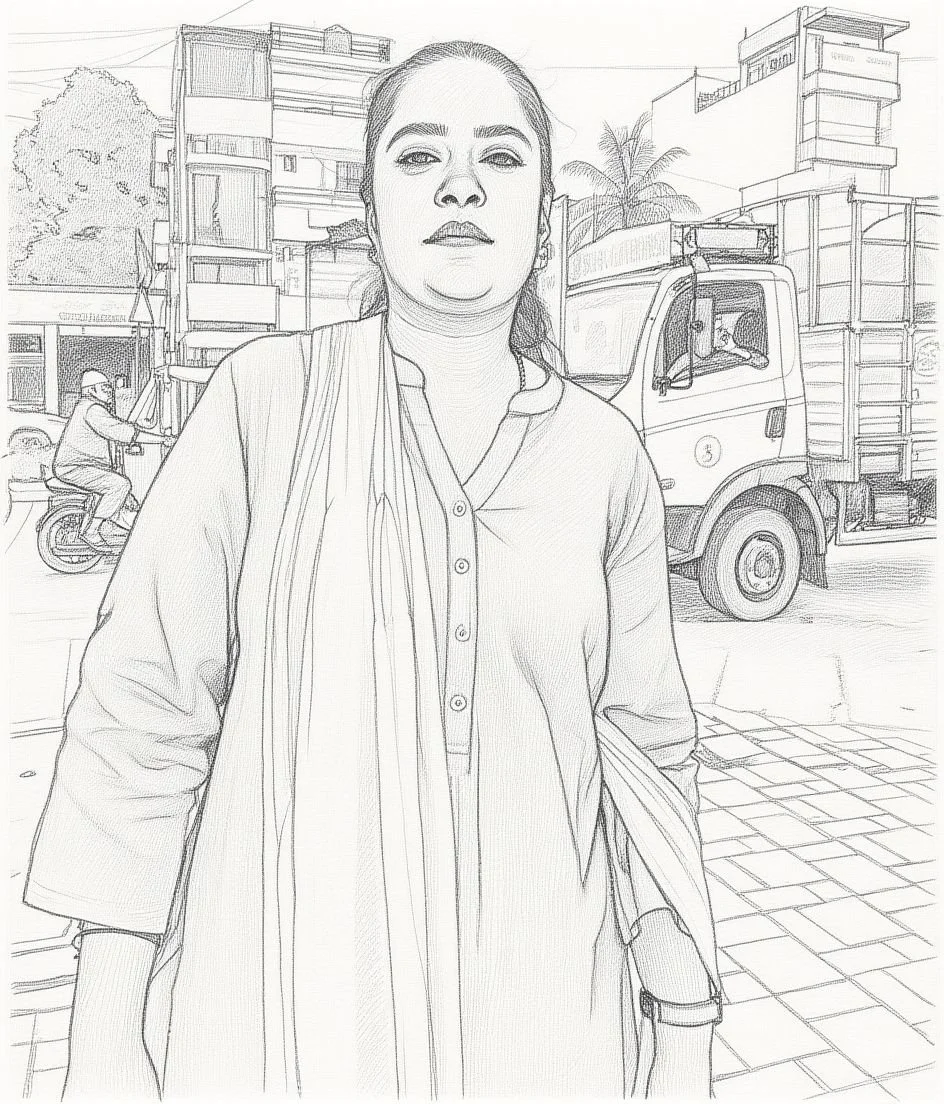
Waste management is a major issue in Hegde Nagar Road, persisting for over a decade with no action taken. Garbage spots have increased, especially from non-vegetarian restaurants, leading to health problems. Garbage burning has led to frequent transformer fires atleast every 3-4 months.
Parking issues arise from poor lane discipline and a lack of zebra crossings. While apartments manage their waste, households and small restaurants often dump garbage on the streets, impacting school children and lacking biodegradable disposal options. Additionally, streetlights need upgrading and rainwater harvesting should be implemented to prevent flooding, especially with cleared drains.
-
![]()
MUTTU
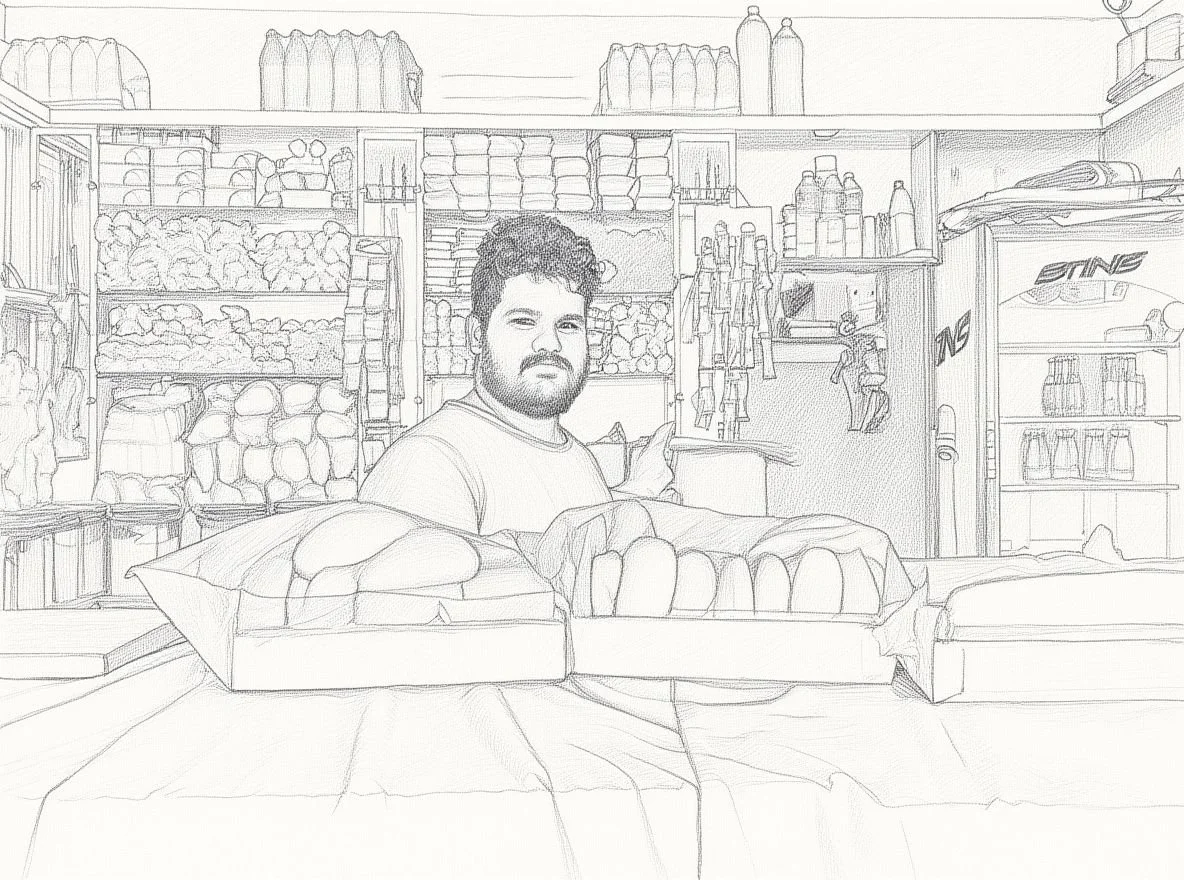
“There aren’t many people around at night, which leads to minimal cleaning and frequent trash dumping. We would really appreciate having more street lights to enhance safety in the area.”
-
![]()
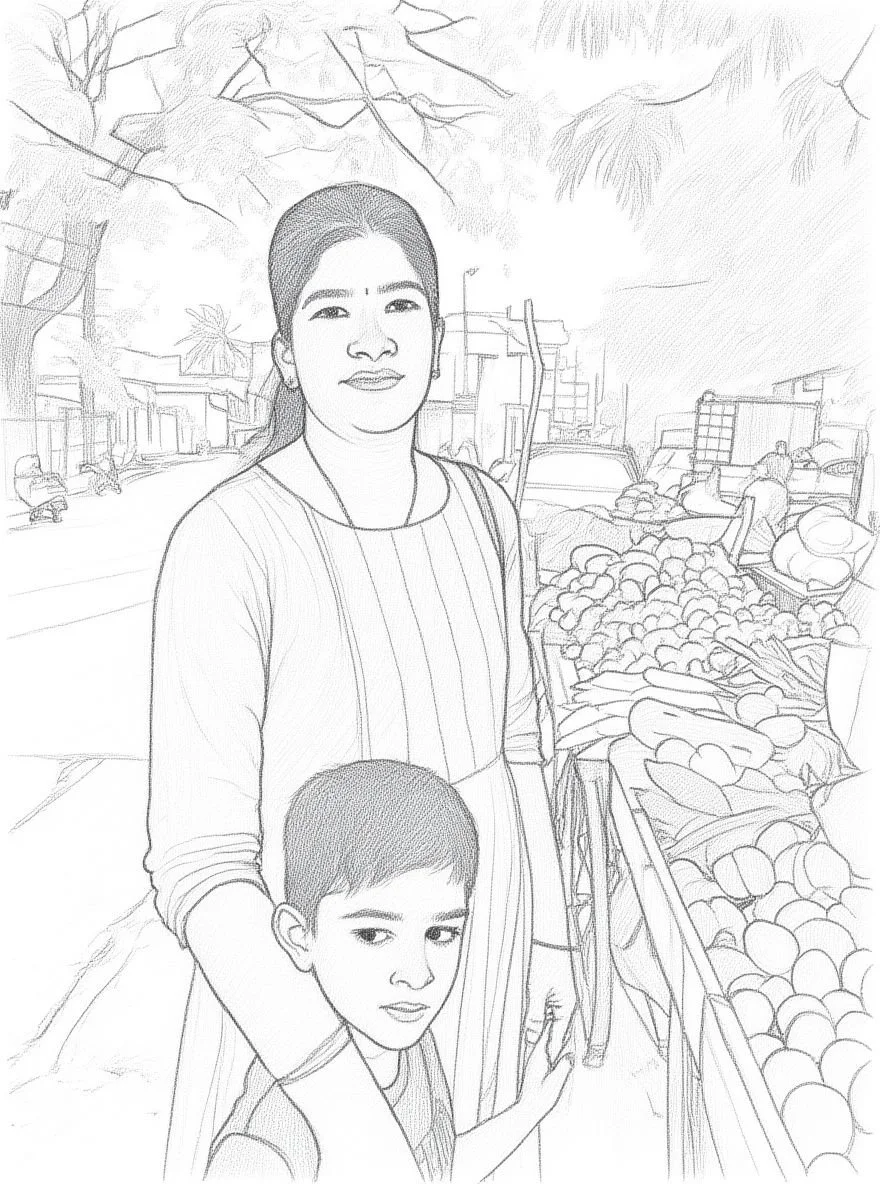
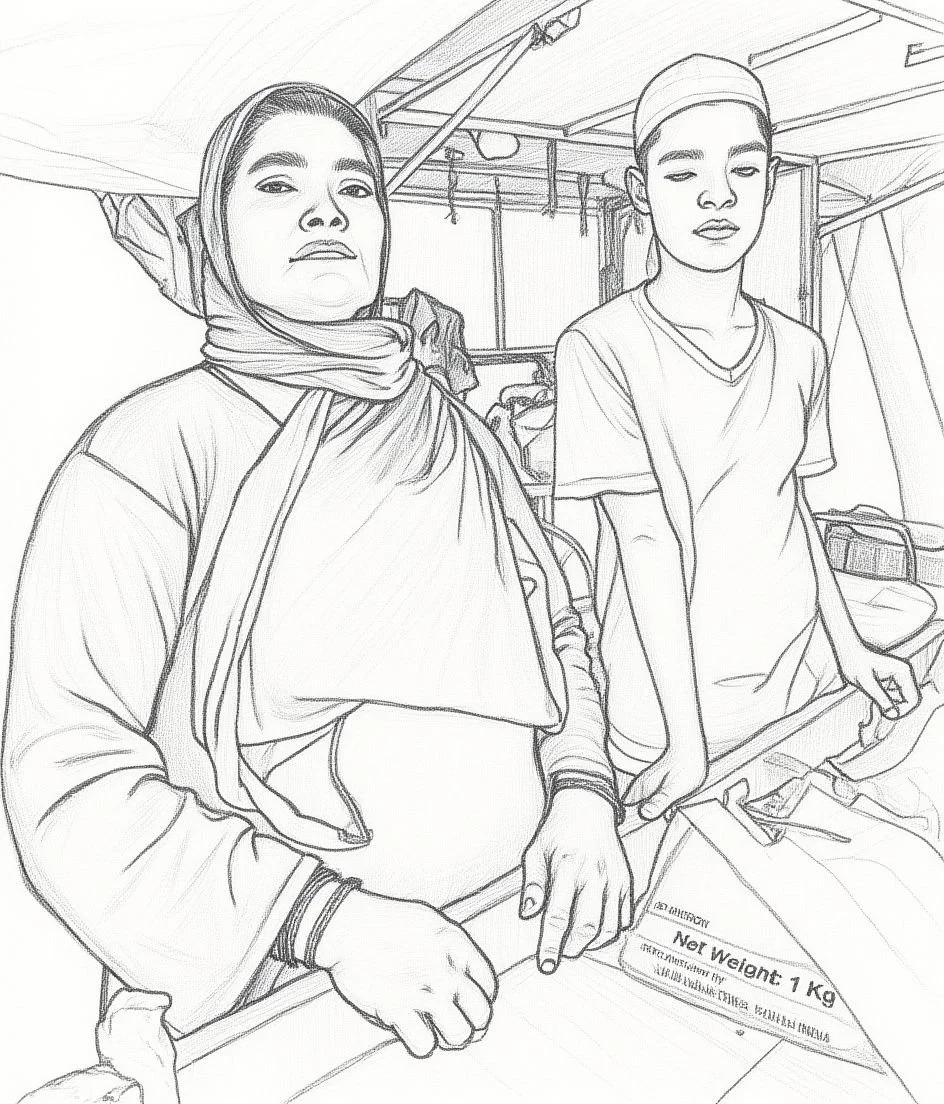
Rashmi and Family
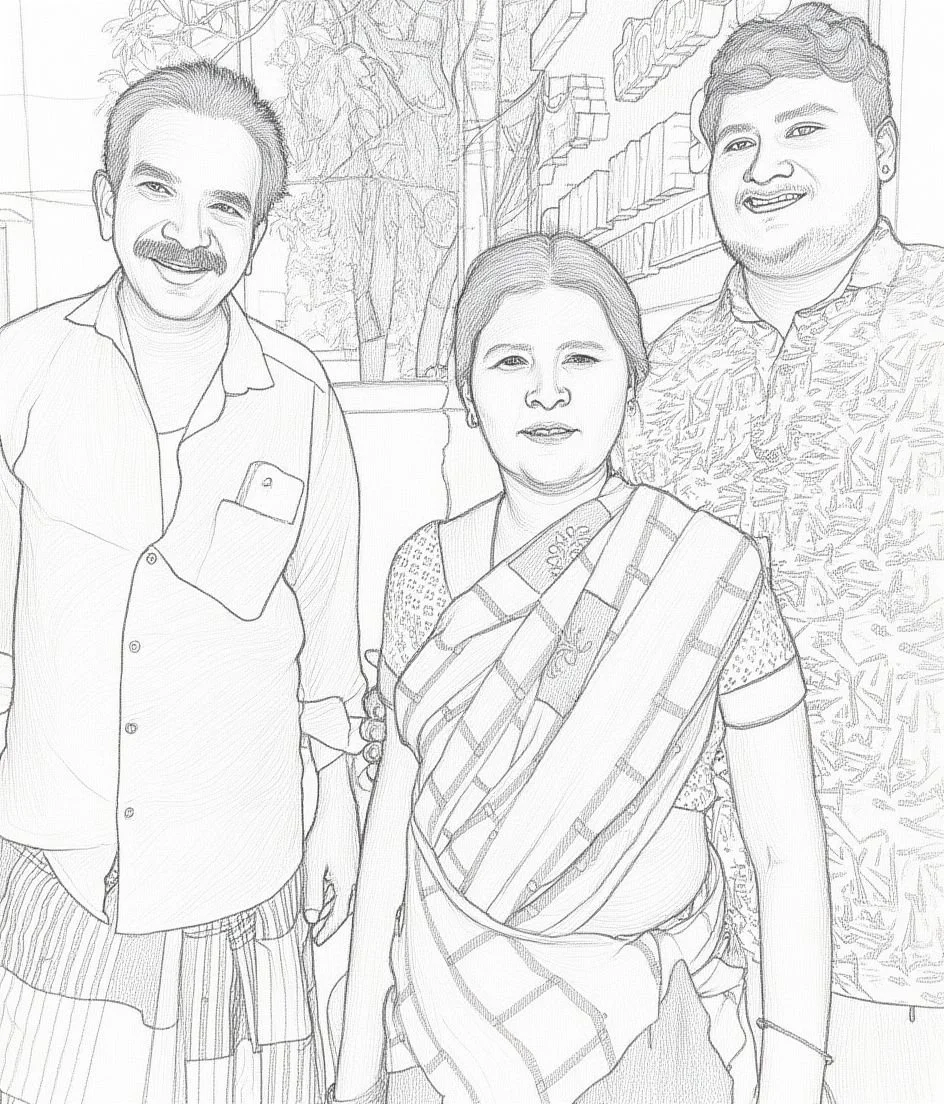
There are no public restrooms available in this entire area, which makes it challenging for me as a woman working as a street vendor. We operate from 6 a.m. to 9 p.m., and it’s incredibly tough. Also, the streets are empty after dark, making it unsafe unless my family is with me at our stall. If there were proper footpaths and lighting, where people could gather, the streets would be livelier. It’s not just about safety; it’s about creating a community space where everyone feels welcome. With these improvements, we could thrive as vendors and as a neighborhood.”
-
![]()
bILAL
“Improvements could be made in terms of cleanliness, along with designated parking spaces for vehicles waiting to serve customers, and smoother roads equipped with benches. For years, we have had to manoeuvre around trash dumping spots due to their growing numbers.”
-
![]()
geetha
“The garbage collection system has become problematic; dustbins have been removed, and collections are not happening regularly. It’s essential to install dustbins and cameras, and those who dump waste should be required to segregate it properly. The current collection timings aren’t suitable for everyone.
Additionally, creating clean and inviting spaces for children to play would make a significant difference. Creating safe and appealing play areas for children would encourage outdoor activities, promoting both physical health and social interaction among the younger generation.”
-
![]()
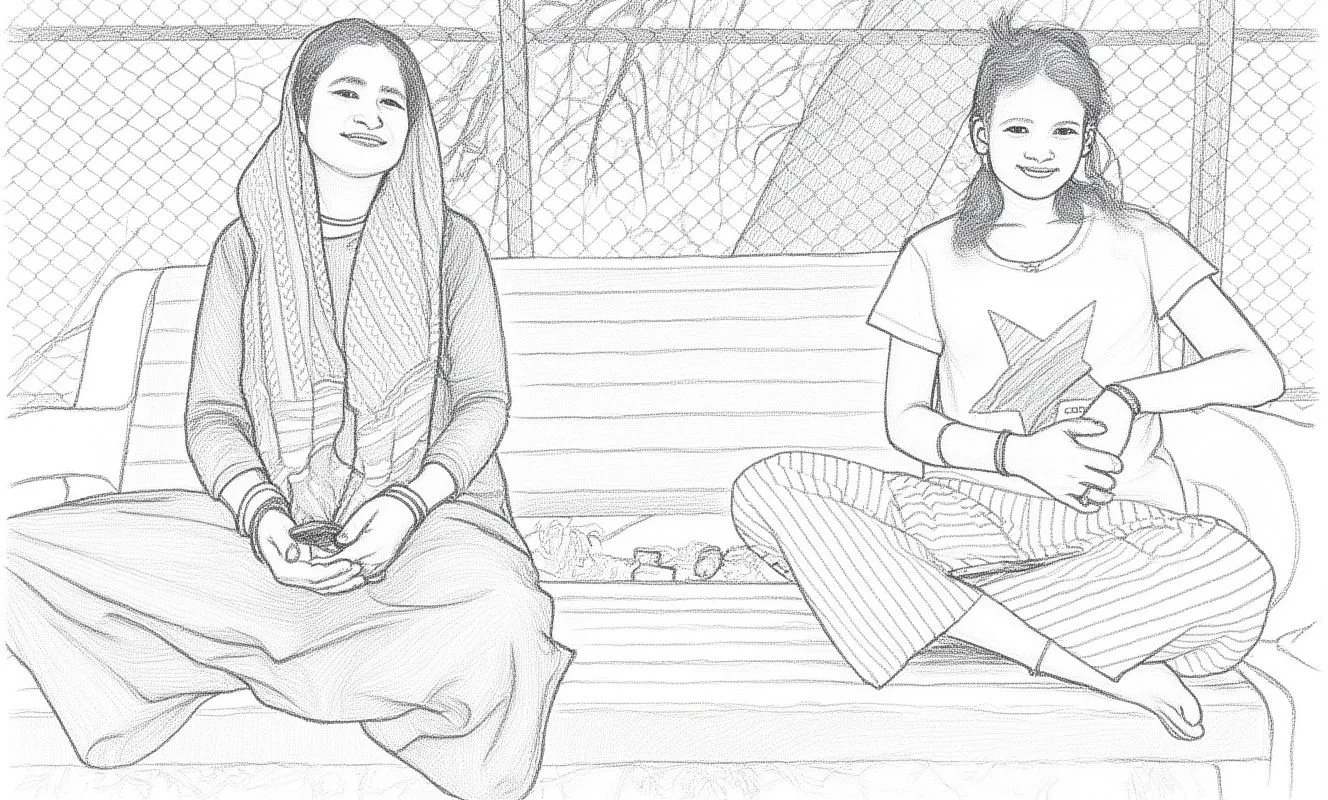
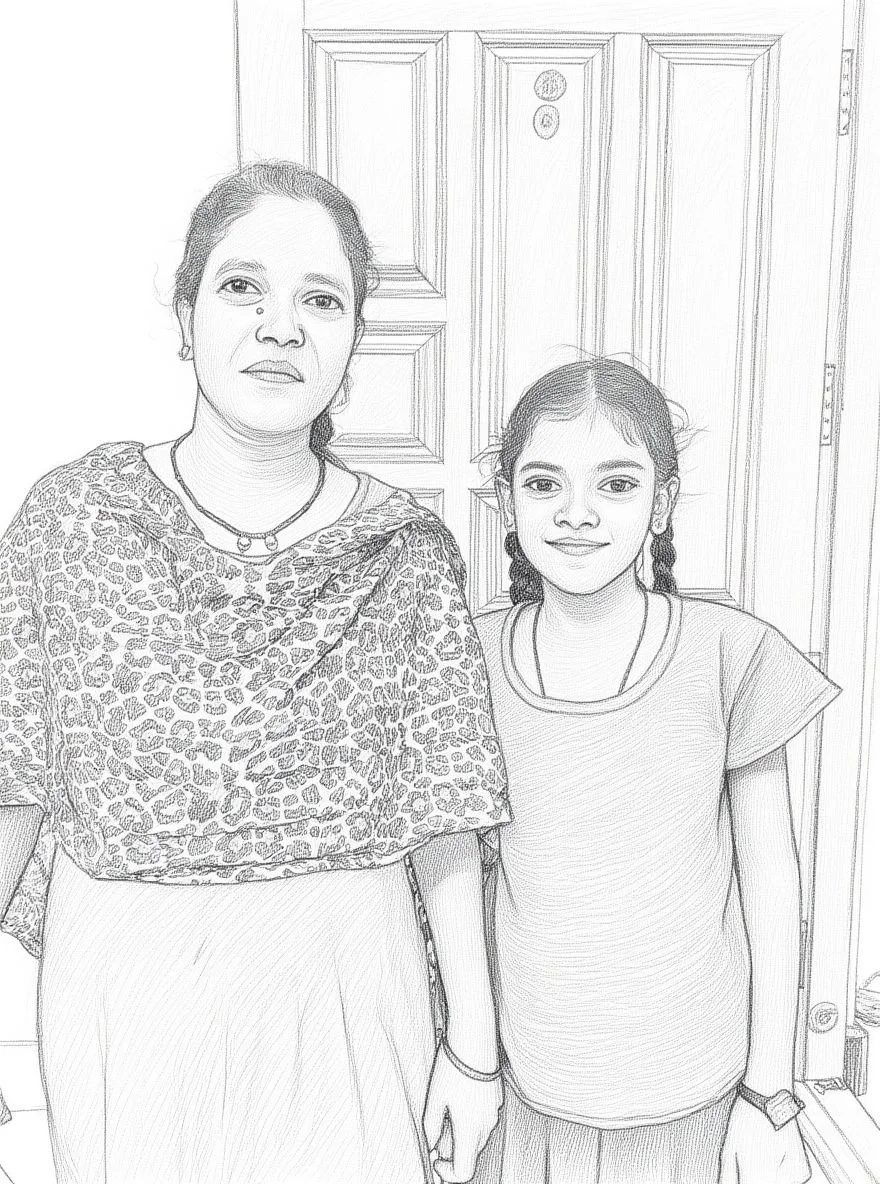
Kali and daughter
“Improving the footpath, providing dustbins, and having a public toilet specifically for women would be wonderful. Drinking taps in the area would be especially refreshing on a hot day. Adding some art could bring life to the area and make a significant difference.
The small temple where we pray is located right next to a dump yard. It would be lovely to have a clean space to offer our prayers. We love sitting on benches after a long day of work just to relax, and better public spaces would encourage more people to use the spaces.”
-
![]()
BASAVA
“Road conditions could be improved. I would love more opportunities to enjoy the lake and surrounding areas! Adding more benches to sit on, dustbins for cleanliness, and additional street lights would enhance safety, especially at night.”
-
![]()
GULNAZ and SON
“Street lights don’t work, which makes it unsafe after dark, and we’ve faced this issue for years. As street vendors, we have no other location to go to, and the last time someone came, they broke down our stall because we moved it a little back from the footpaths due to rain. On days when it’s extremely hot, it would be nice to have a place to relax for a few minutes, as there is no shade here. People have been throwing garbage in this area for years. Dustbins were installed to help, then removed, but people continued to dump garbage.”
-
![]()
SUVARTA
“Trash collection is unpredictable; there are no set times. With no dustbins available and our early work schedules, we can never be certain if the service has come in the morning. We return home late at night, and the streets aren’t always safe.”
-
![]()
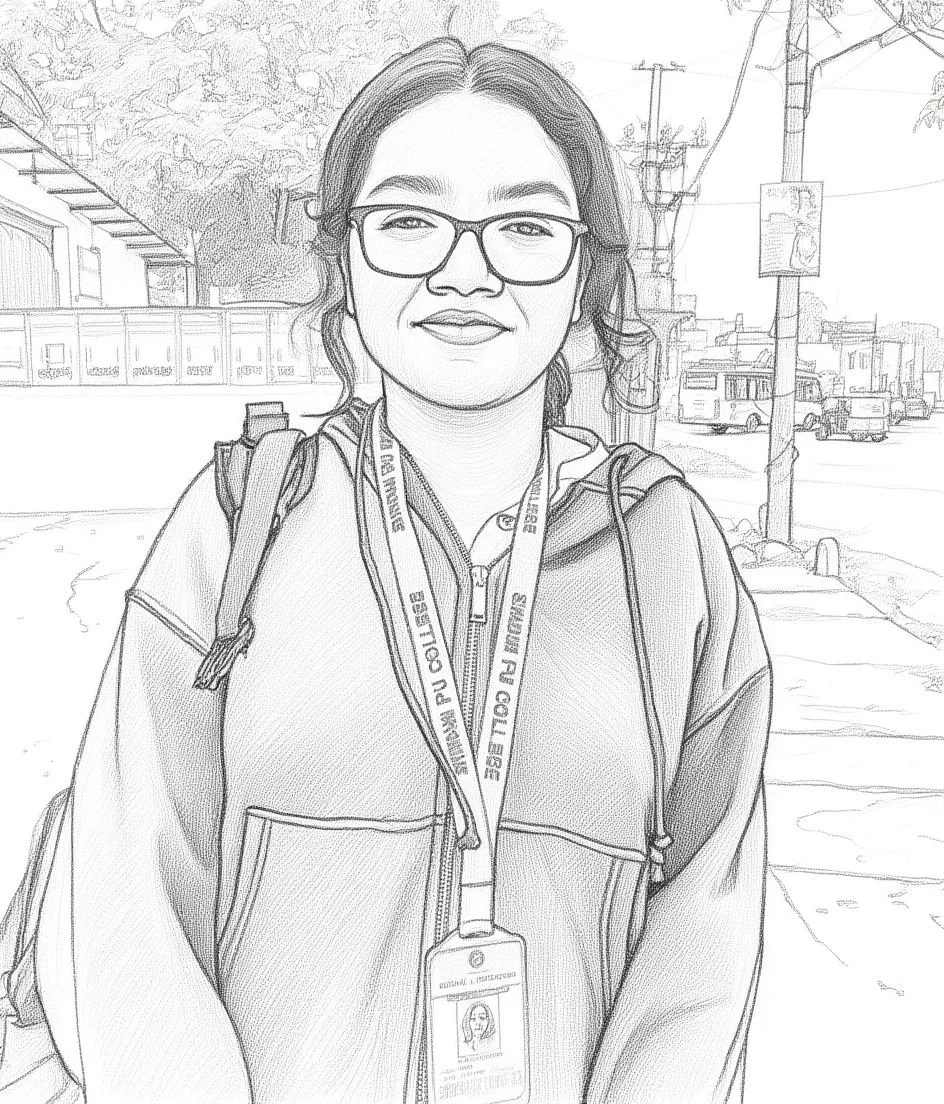
SHREYA
“The roads are terrible, and walking is particularly challenging, especially in front of my apartment. We would love to have a community space where we could gather, like a park. The MCEHS layout is pretty good in that respect. However, in this area (Jakkur village) there’s no easy access to stores or anything.
The lights often go out, and there’s always something sparking. All these issues combined make daily life quite difficult. It feels like we’re always navigating obstacles just to get from one place to another. We really need public spaces where we can hang out and feel like part of the community.”
PUBLIC SPACES
-
![]()
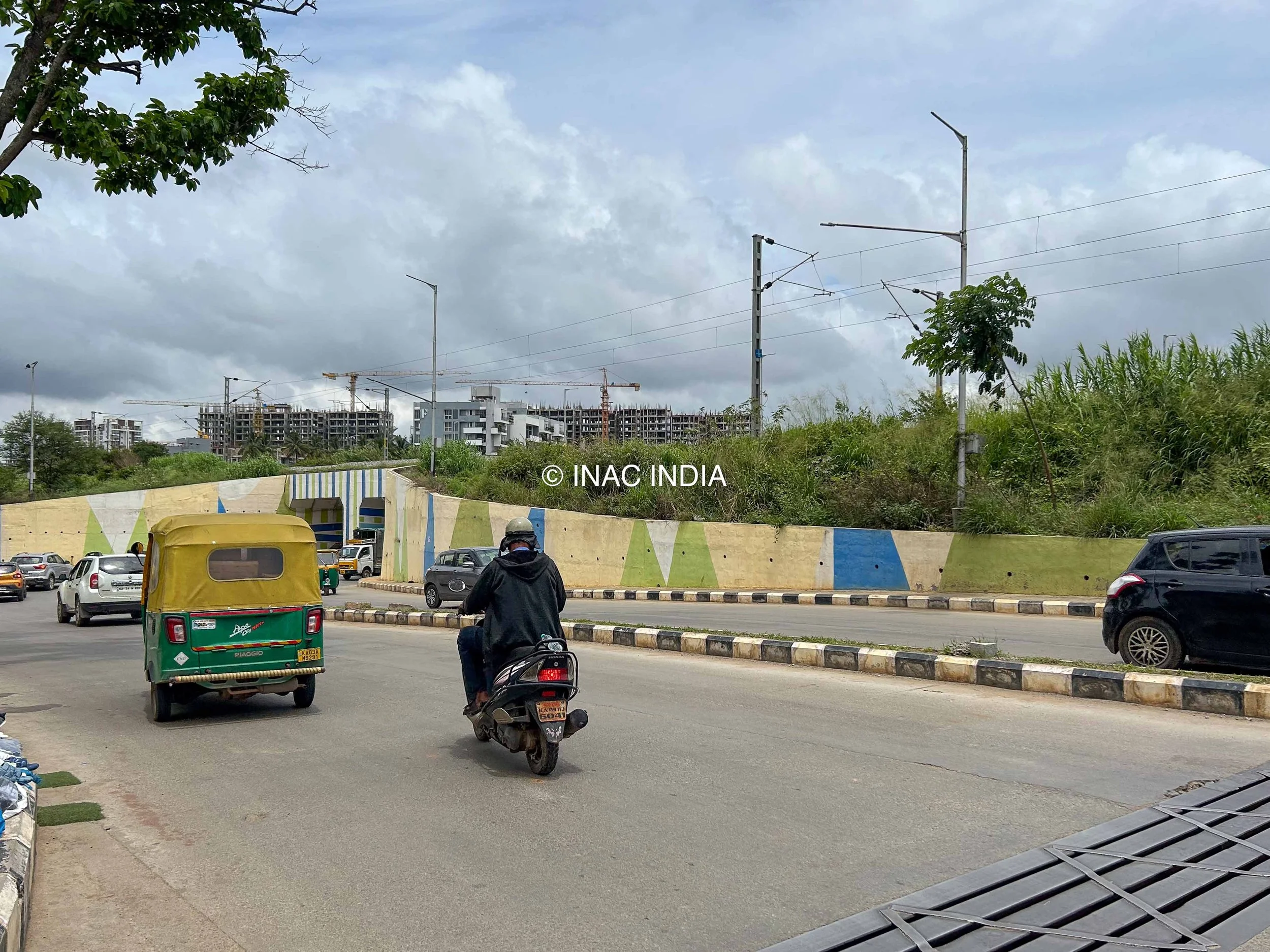
Site 1: Srirampura Railway Crossing
JAKKUR, WARD NO.5
TOTAL SITE AREA: 63,173 sqm (6,79,985 sq.ft.)
-
![]()
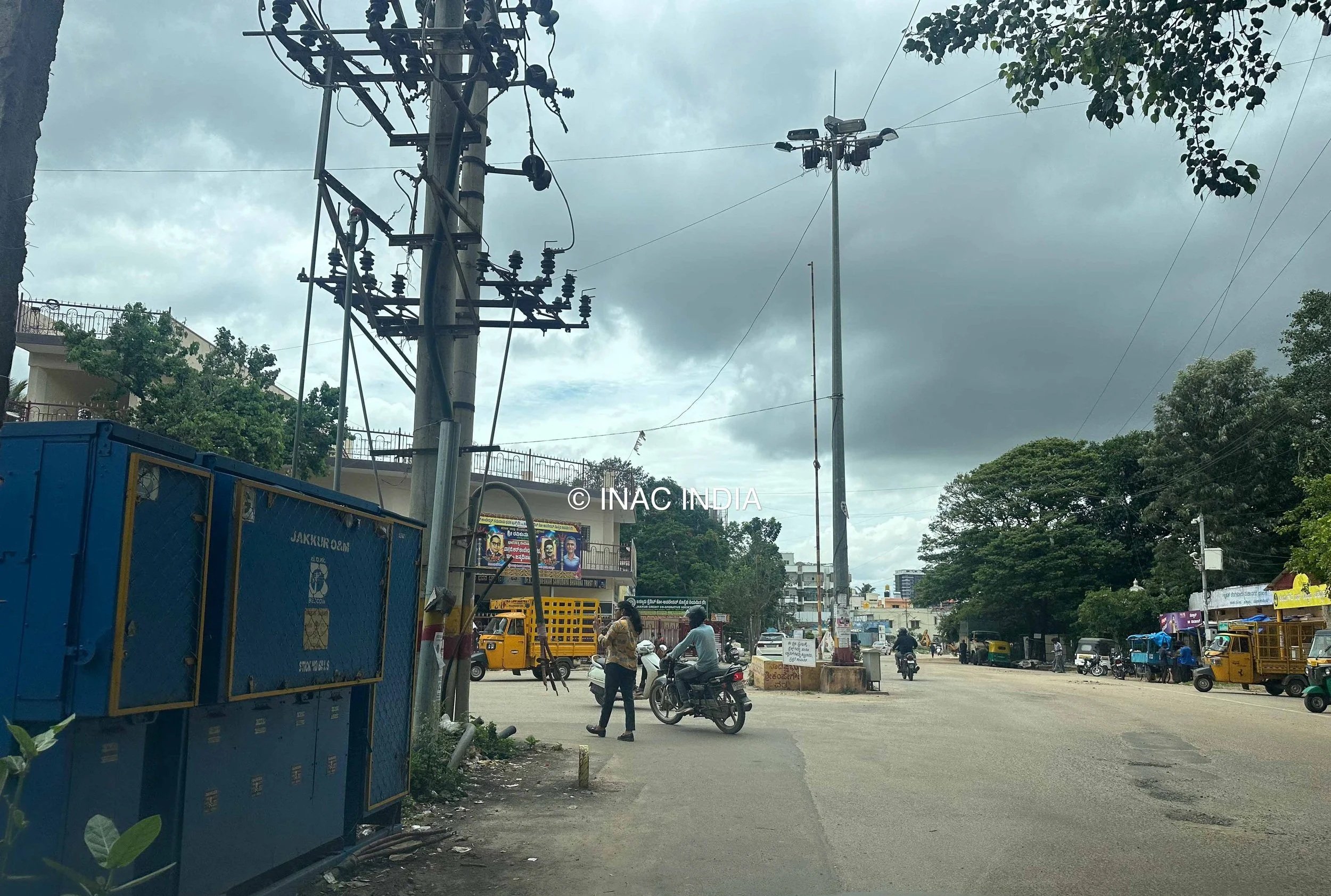
SITE 2: K.V. Bhyregowda Circle To Jakkur Circle
JAKKUR, WARD NO.5
TOTAL AREA: 13,628 sqm (1,46,693 sq.ft)
Funded by the National Clean Air Program (NCAP)
-
![]()
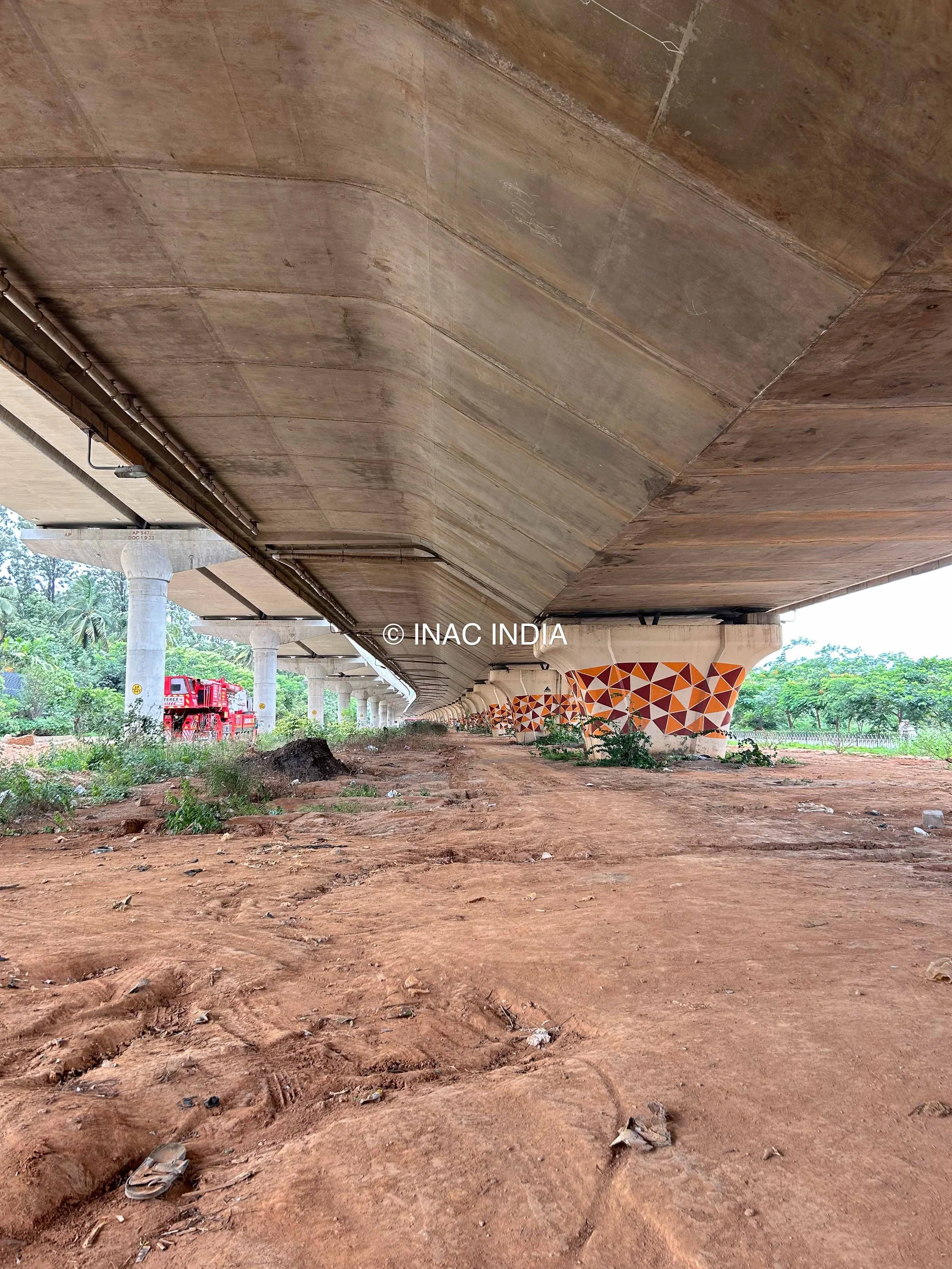
Site 3: Yelahanka Bellary Flyover Service Road
JAKKUR, WARD NO.5
TOTAL AREA: 32,668 sqm (3,51,635 sq.ft)
-
![]()
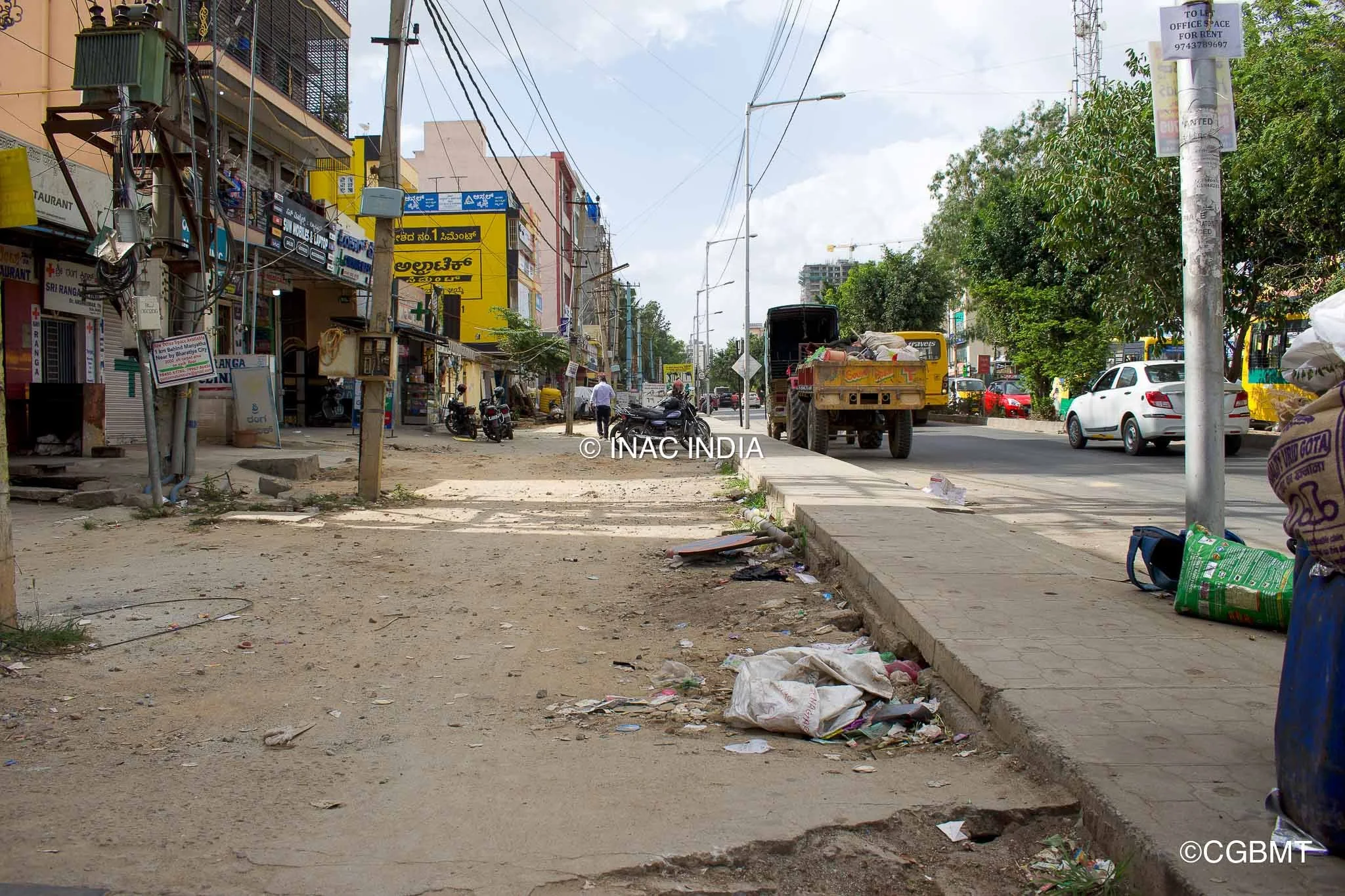
SITE 4: Thanisandra Main Road
THANISANDRA, WARD NO.6
TOTAL AREA: 542 m (5834 sq.ft)