
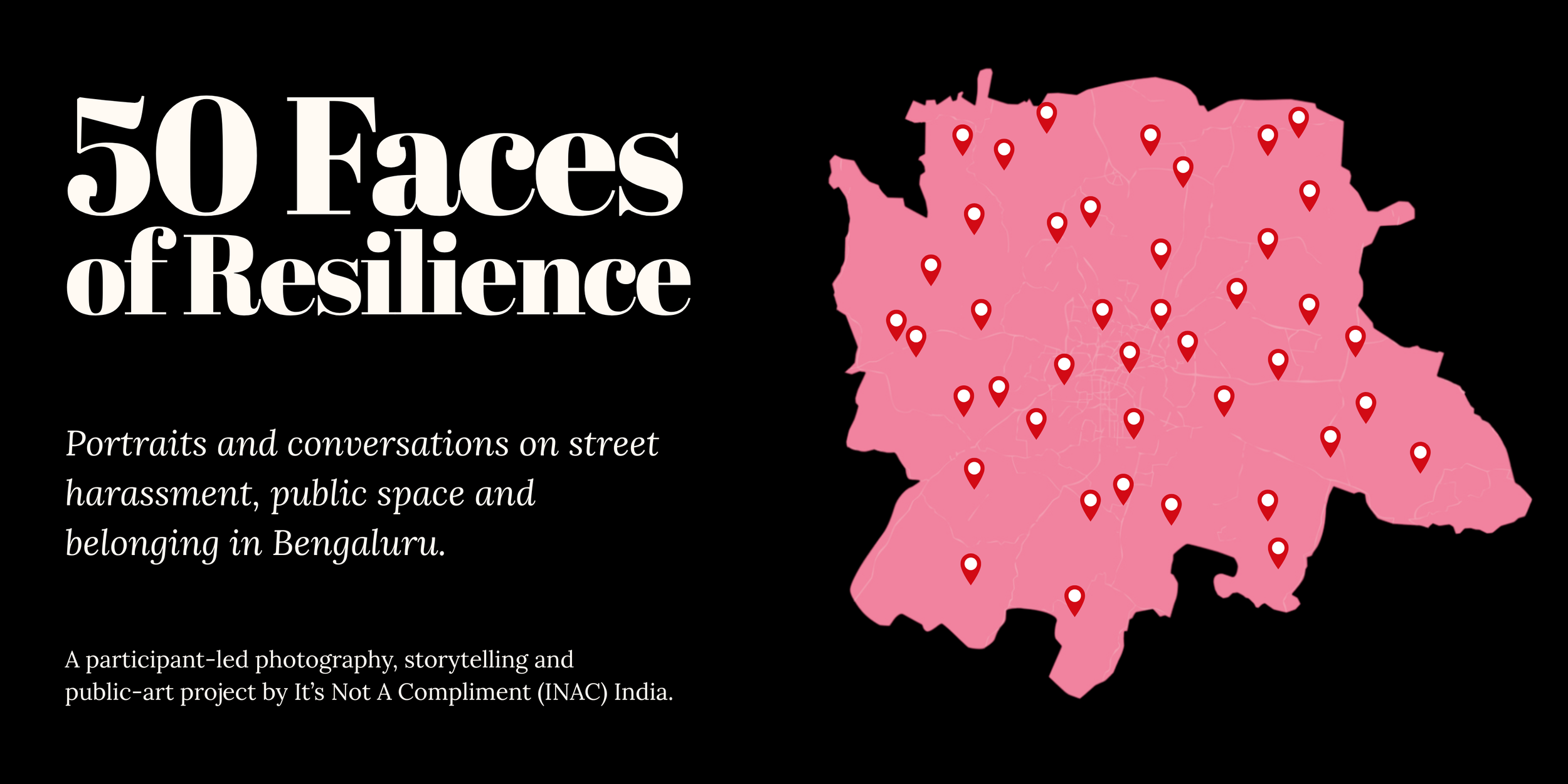
50 people. One city. Many ways of belonging.
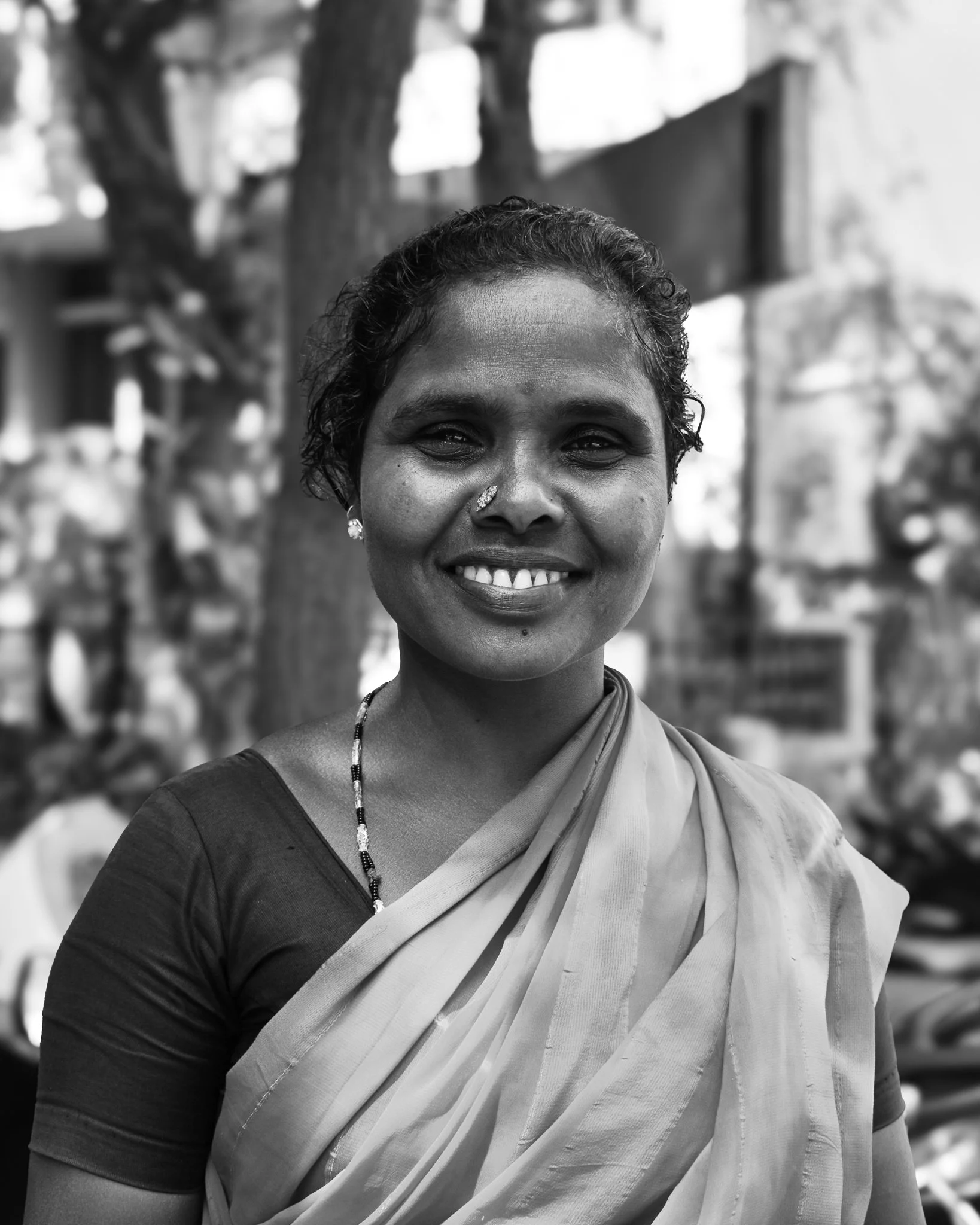
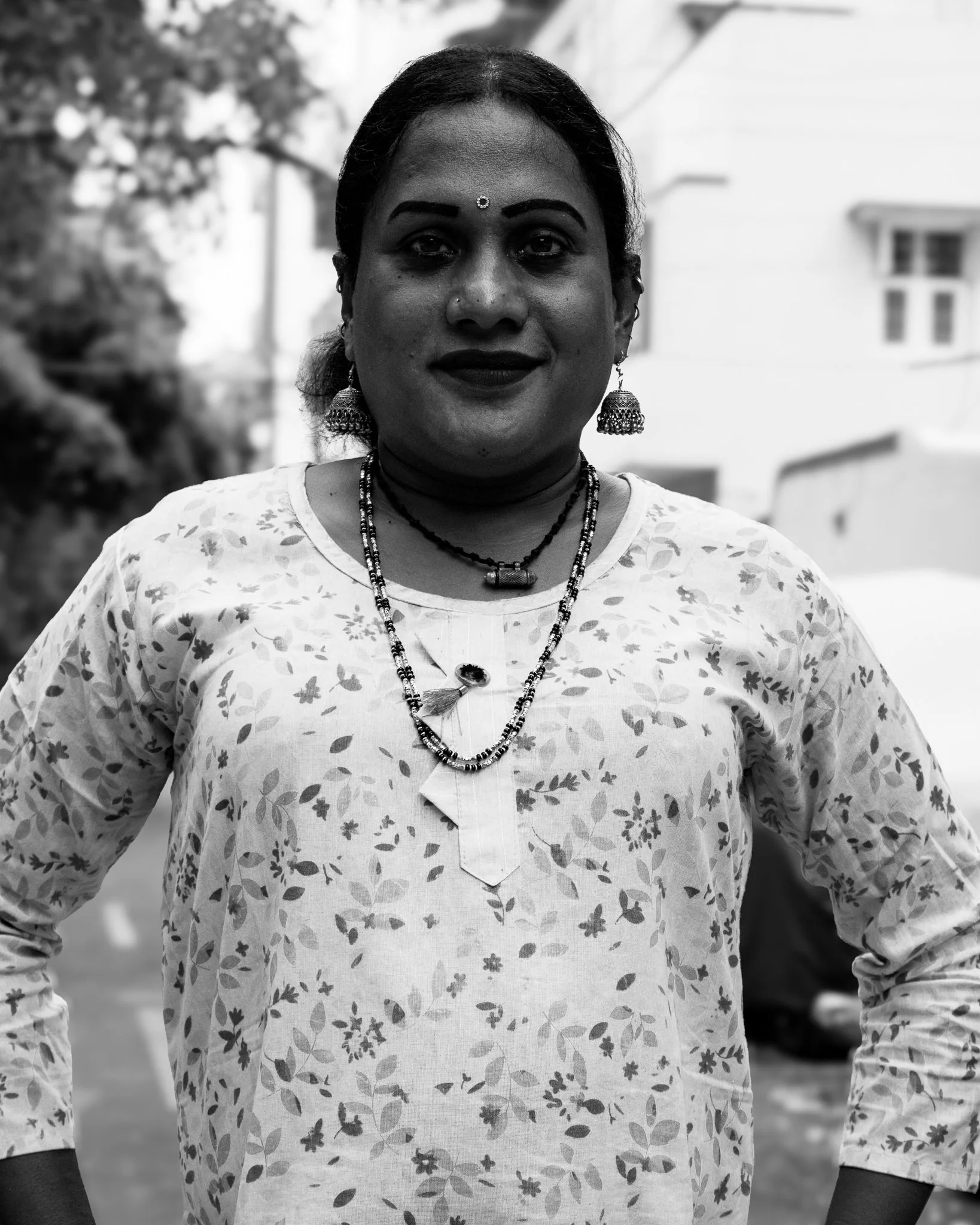
Developed through long-form conversations and portraits with 50 people across Bengaluru, 50 Faces of Resilience examines how street harassment, discrimination and exclusion shape people’s everyday relationship with public space.
The project holds experiences across gender, caste, class, disability, age, occupation, and queer or trans identity. It names harm clearly, while refusing to define people by it—centring their dignity, agency, joy, identity, community and right to take up space.

Why the name changed
As we bring together the interviews and photographs for the book, the project name has evolved from 50 Faces of Street Harassment to 50 Faces of Resilience.
From the beginning, this work has been about more than harassment. It is about the people behind the stories: their identities, relationships, humour, courage, dignity and right to belong.
The new name reflects what the project has always held—naming street harassment and exclusion clearly, while refusing to let either define the people who experience them.

What the project creates
50 Faces of Resilience is not only a book or an exhibition. It is a multi-format public project that brings participant-led stories into cultural spaces, everyday conversations and the city itself.
A public exhibition and programme in Bengaluru
Planned for February 2027, the exhibition will bring together the project’s portraits, interviews and artistic interventions in an immersive public experience.
Curated by Manasaram Architects, the exhibition will present the work through multiple forms of visual art, creating different ways for audiences to encounter the stories, reflect on public space and participate in the conversation. It will be accompanied by a programme of public events, dialogues and community engagement.
The exhibition is being developed with the robust potential to travel to other galleries, cultural institutions and cities, subject to future partnerships, venues and resources.
A bilingual photography and storytelling book
A bilingual English and Kannada book will bring together all 50 portraits and long-form interviews, alongside additional visual material, reflections and project content.
Launched at the Bengaluru exhibition, the book will create a lasting, accessible record of the project—one that can travel beyond the exhibition space and continue to support conversations about street harassment, dignity, public space and belonging.
A digital storytelling release
During the 16 Days of Activism against Gender-Based Violence, an annual global campaign supported by UN Women, INAC India will release a curated selection of participant stories through its website and social-media platforms.
The digital release will introduce the project to wider audiences while holding the full body of 50 stories for the book and exhibition. It will invite people to listen, reflect, share and build support for the larger public programme.
A reflective active-bystander workbook
A short, reflective educational workbook on active-bystander intervention will be made freely available for download.
Designed for individuals, friends, classrooms, workplaces, neighbourhood groups and community organisations, it will include accessible prompts and practical activities that can be undertaken anywhere—independently or collectively. The workbook will invite people to consider their role in responding to street harassment and in building safer, more welcoming public spaces.
A public-art intervention across the city
Through the Inside Out Project, founded by internationally acclaimed artist JR, selected participant portraits will move beyond the gallery and into public space.
This city-facing intervention will bring participant voices into everyday urban life, making visible the people, experiences and questions that are often ignored or pushed aside. It will invite Bengaluru to encounter the project not only as an audience inside an exhibition, but as a community sharing public space.
Each element is designed to move the work beyond awareness alone—towards reflection, dialogue and collective action.
Why this matters
Public space is never neutral. Street harassment and discrimination shape who can walk, travel, work, rest and be visible freely in a city.
These experiences are not isolated. They intersect with gender, caste, class, disability, age, occupation, sexuality and gender identity—affecting not only people’s sense of safety, but their freedom, mobility and right to belong.
50 Faces of Resilience brings these realities into public view through the stories of 50 people across Bengaluru. It names harm clearly, while refusing to define anyone by it—centring dignity, agency, joy and community instead.
The project asks Bengaluru to move beyond asking individuals to “be careful.” Safer public spaces require collective responsibility: from bystanders, institutions, workplaces, transport systems, cultural spaces and the city itself.
Through photography, storytelling, public art and community dialogue, 50 Faces of Resilience invites us to imagine—and help build—a city where everyone can take up space with freedom and dignity.

The journey so far
2025–2026
Listening, interviewing and photographing
50 long-form interviews and portraits created with people across Bengaluru.
Now
Building the book and exhibition
The bilingual book is in development, and the exhibition is being shaped with Manasaram Architects.
November–December 2026
Stories enter the public conversation
A curated digital release of selected stories during the 16 Days of Activism against Gender-Based Violence.
February 2027
The full project comes to life
A public exhibition in Bengaluru, accompanied by art-led public programmes, the launch of the bilingual book and the active-bystander workbook.
Beyond the exhibition
Stories move through the city—and travel further
A public-art intervention with the Inside Out Project will bring selected participant portraits into public space. The exhibition is being developed with potential to travel to future galleries, institutions and cities, subject to partnerships and resources.
We are currently building the coalition of cultural, philanthropic, corporate and community partners needed to bring the full project to life.
Partner with the project
50 Faces of Resilience is being realised through a coalition of cultural, philanthropic, corporate and community partners.
We are not seeking one organisation or individual to fund the entire project. Instead, we are inviting partners to support a defined component of the work, or to contribute at a partnership tier that helps make the full public programme possible.
The project brings together five connected strands:
-
Large-format portraits, spatial design and installation, fabric works, audio experiences, projections, interactive elements and the collaborative Aravani Art Project work.
-
English and Kannada translation, design, printing and distribution of the photography-and-storytelling book and active-bystander workbook.
-
The exhibition opening, performances, workshops, active-bystander sessions, dialogues and community events.
-
Participant-story edits, campaign assets, documentation, public engagement and communications
-
The Inside Out Project action, post-exhibition documentation, learning resources and future travelling-exhibition development
Partnerships may be financial, in-kind or cultural. For example, a partner may choose to support the exhibition design, participant honouraria, book translation or printing, accessibility, a specific public programme, the active-bystander workbook, documentation, or city-wide public engagement.
We also welcome in-kind partners able to contribute venue support, printing, fabrication, accessibility services, audio-visual equipment, publicity, media space, transport or professional expertise.
Every contribution helps move 50 Faces of Resilience beyond awareness alone—towards reflection, dialogue and collective action on street harassment, public space and belonging in Bengaluru.
Media, editorial, and collaboration enquiries
We welcome conversations with journalists, editors, researchers, artists, educators, community organisations, cultural institutions and activists interested in street harassment, public space, gender justice, accessibility, storytelling and urban belonging.
For media interviews, editorial features, photo-essay commissions, image requests, speaking invitations, research conversations or programme collaborations relating to 50 Faces of Resilience, please contact:
inacindia@outlook.com
+919901911829
A media kit, selected images, project information and interview availability can be shared on request, in line with existing participant permissions, ethical storytelling practices and availability.
About INAC India
It’s Not A Compliment (INAC) India is a Bengaluru-based grassroots initiative working to challenge street harassment and build safer, more equitable and inclusive public spaces.
Through advocacy, community-centred storytelling, artivism, campaigns and public education, INAC India works to shift the burden away from individuals being told to “be careful” and towards collective responsibility—from bystanders, workplaces, cultural institutions, communities and the city itself.
INAC India is an initiative of the Centre for Green Building Materials & Technology (CGBMT), its parent NGO. Established in 2004, CGBMT is a registered trust working across community, ecological and social development through advocacy, education, research and on-the-ground initiatives. This organisational home supports INAC’s work at the intersection of people, place, equity and public life.
The team behind 50 Faces
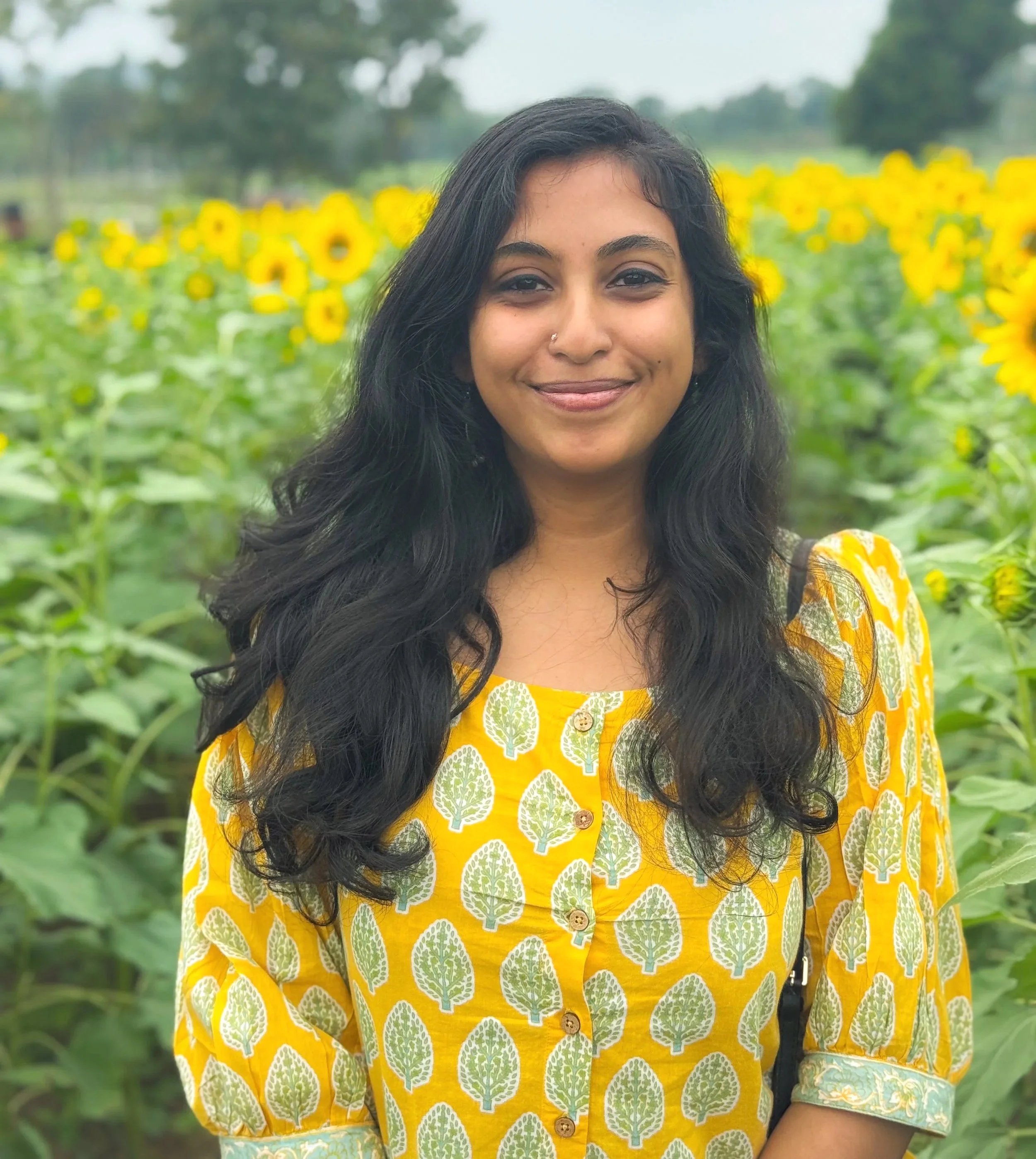
AAKANKSHA MANJUNATHASWAMY (she/her)
Founder, Project Lead, Interviewer and Photographer
Aakanksha Manjunathaswamy is a Bengaluru-based social-justice activist, intersectional feminist, photographer, visual storyteller and founder of It’s Not A Compliment (INAC) India.
She created 50 Faces of Resilience and has led its year-long process of participant outreach, relationship-building, consent processes, long-form interviews and portrait-making with 50 people across Bengaluru. Her role holds the project from its earliest conversations to its public life: shaping its participant-centred approach, leading its storytelling and photographic direction, developing partnerships, and guiding its advocacy and public-engagement vision.
Her practice brings together artivism, advocacy, community engagement and narrative change to challenge street harassment, gender-based violence and the systems that shape who can move freely and visibly through public space. Through INAC India, she works to move conversations beyond individual “safety tips” towards collective responsibility—from bystanders, institutions, workplaces, cultural spaces and the city itself.
Having grown up in Bengaluru, Aakanksha brings a deep personal and community connection to the city that grounds 50 Faces of Resilience. Her experience studying, working and living in the Netherlands, the United States and Australia also informs an international perspective on public space, gender, identity and collective responsibility.
As the project moves into its next phase, she is leading the development of the bilingual book, digital storytelling release, partnerships, public programmes and the February 2027 exhibition—ensuring that the project remains accountable to participants while carrying their stories into wider cultural and civic conversations.

SURAJ NAIR (HE/HIM)
Graphic Designer and Visual Artist
Suraj Nair is a Bengaluru-based visual artist and graphic designer whose practice spans animation, gaming, fashion, design and visual storytelling.
For 50 Faces of Resilience, Suraj is leading the project’s graphic-design and visual-development process. He is shaping the bilingual English–Kannada book and the reflective active-bystander workbook, helping translate 50 long-form conversations and portraits into accessible, thoughtful and visually compelling formats.
His role includes developing the project’s visual identity across print and digital materials; designing layouts for the book, workbook and selected editorial content; and creating visual assets that support the project’s digital storytelling, public communications and audience engagement.
Working closely with Aakanksha and the exhibition team, Suraj helps ensure that the project’s visual language remains participant-centred, emotionally sensitive and consistent across every stage—from a reader encountering a portrait and story in the book, to a visitor moving through the exhibition, to a community member downloading the workbook online.
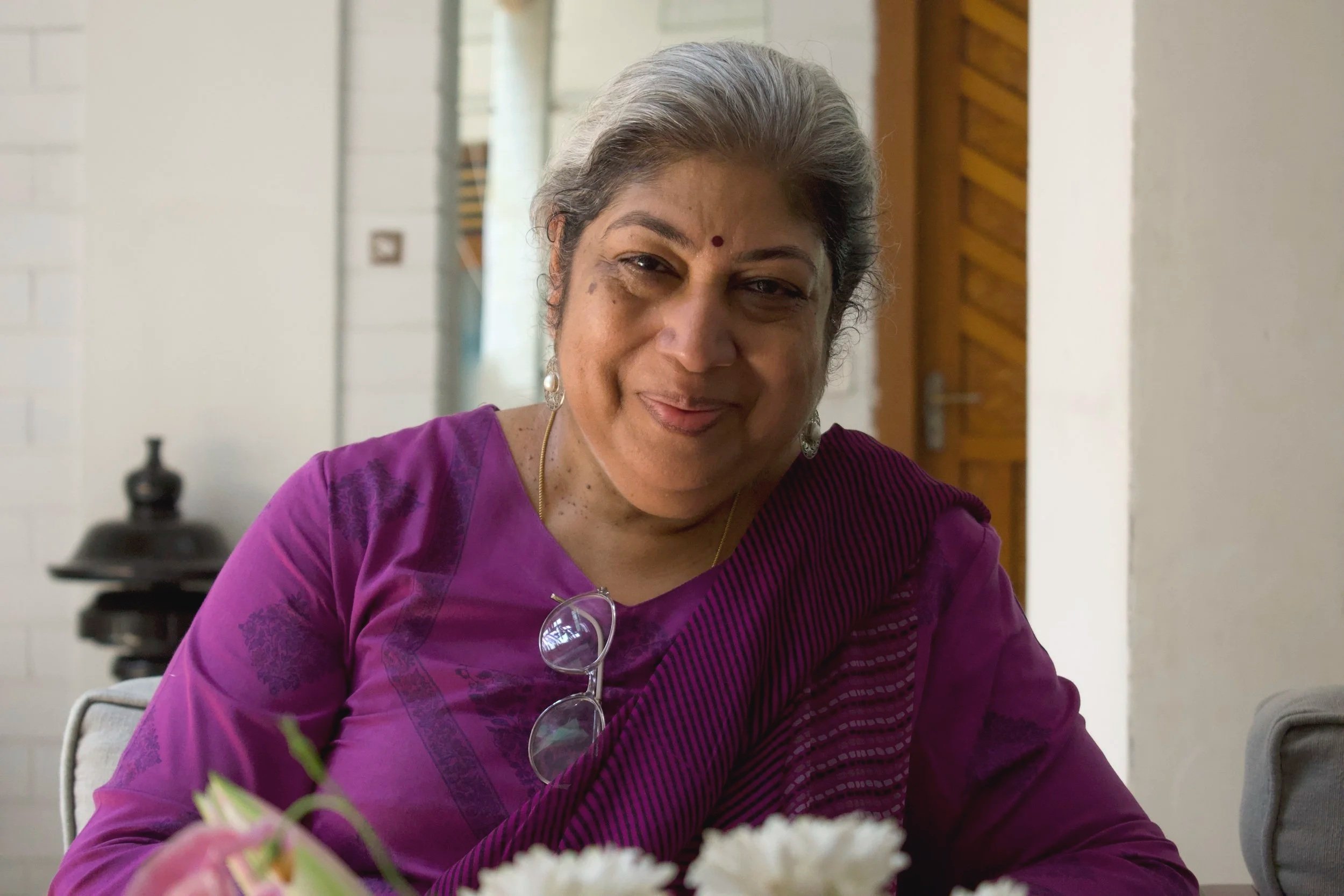
AR. NEELAM MANJUNATH (SHE/HER)
Exhibition Curator and Designer | Principal, Manasaram Architects
Ar. Neelam Manjunath is an internationally recognised, multi-award-winning architect and the Principal of Manasaram Architects. Her work is known for sustainable architecture, material intelligence and immersive spatial experiences that connect design, people and place.
As curator and exhibition designer for 50 Faces of Resilience, Neelam is shaping the project into an immersive, multi-sensory public experience rather than a conventional photography display. Working across spatial storytelling, visitor journey, large-format portrait presentation, fabric interventions, sound, light and participatory elements, she is helping create an exhibition that can hold the emotional depth of the 50 stories while inviting audiences into reflection and action.
Her involvement gives the project an important architectural and curatorial foundation: the Bengaluru exhibition is being developed as a robust, adaptable format with the potential to travel to future galleries, cultural institutions and cities, subject to partnerships, participant consent, venue conditions and resources.