
TRIGGER WARNING: Mentions of torture, depression, threats, suicide, and death.
They call this her fate.
They say she was destined to suffer: at that place, in that way.

But I will say this today, tomorrow, and till my last breath,
It was not fate. It was not destiny.
It was society.
And society is her murderer.
I will prove this.
I am here to tell the story of my cousin-sister, Simran, who was married just ten months ago. And now she is no longer with us.
We come from a small village in Haryana, from a normal middle-class family. Our joint family had my parents, my younger brother, and me, and my uncle and aunt with their three children: two sons and a daughter, Simran. She was well-educated, having completed her graduation, DL.Ed., and scored well in IELTS. Like most girls raised in villages, she was taught household responsibilities alongside her studies. She was kind, capable, and the most praised among us.
Last year, at the age of 23, she got engaged through a typical arranged marriage setup. Just 15–20 days later, tragedy struck. Her father passed away in a sudden accident. Our entire family was shattered. The grief was unbearable, and healing felt impossible. But while we were mourning, something else was brewing on the other side.
Her in-laws showed no sensitivity. Instead, they insisted that the marriage happen as soon as possible, on their terms, with their demands, their conditions, their convenience. Everything was put on my father and our elder brother.
“The last time she left our home, she was wrapped in a beautiful saree, looking almost like a divine figurine. She stood there for a moment, scanning the entire house with her eyes: every wall, every corner, without knowing that this would be the last time. She sat in the car by herself, resisting, holding back, yet forced to go.”
Despite the abolition of dowry (on paper only), the demands kept increasing. Everyone saw the red flags. Everyone. Even the young ones. But still, “society”, “log kya kahenge”(what will people say?), and “izzat”(honour/reputation)—these “char log”(four people)—were placed above a girl’s entire life and future. Things were forced to “normalise” because Simran said she was happy at the time. Or perhaps she didn’t yet realise what was waiting for her.
On the day of her marriage, things went wrong again. The other side misbehaved repeatedly. Yet, as ladki wale (the girls’ side of the family), we were told to remain silent and let things pass. We swallowed everything, hoping at least her future would be safe.
But it wasn’t.
What followed was a continuous cycle of mental and physical torture. Simran confided in us, told us everything. But society did not even allow her to stay in her own home, because after marriage, it was no longer “hers”.
Her husband, a complete mama’s boy, never treated her as a wife. He is in the Indian Navy, posted far away from her, emotionally detached. He openly said things that still give me chills—that he never wanted to marry her, that it was his parents’ pressure. Yet he wanted children immediately. That he didn't want to see her face the next time he'd come home, and whatnot.
She was trapped and shattered.
She did every bit to protect her bond.
She told us that she didn't want him to divorce her—what will people think? Again, she was trapped in the vicious cycle of thoughts about societal norms and stereotypes. Her in-laws constantly monitored her when she used to visit us through video calls and updates, and controlled every moment of her life. They didn't even want her to take medicines when she felt sick; they even told us not to take her to the doctor.
Slowly, she lost herself.
Her studies, her skills, her dreams—everything faded.
She became numb.
She stopped laughing.
Stopped functioning.
Stopped being herself.
They made her believe that she's worthless, that she's not capable of holding the family or even herself, that she's a burden on both families. She started accepting the so‑called fate and felt inferior and worthless.
Then came the moment when she could not take it anymore. She started asking us about ways to end her life, believing that only after her death would everyone live peacefully. Just a few days ago, after she begged not to return to that house, she wanted to stay with us. She was pressured again by her in-laws and by society that she must go back to her home and normalise things; she was almost snatched from us that day, that last time.
So where is fate in all this?
Where is destiny?
Was destiny silently watching while everything went wrong in front of everyone’s eyes?
And then, one day, our phones rang.
She was no more.
I cannot comment on the cause of death right now, or it's already visible in the previous note.
They say she hanged herself.
We cannot believe this.
Her body told a different story: a pale face, bruises on her face and neck.
Nothing looked normal.
She was screaming, eyes closed, begging, “Please, at least now let me die peacefully.”
But no.
What haunts us the most is that
Those perpetrators had no signs of remorse on their faces.
They didn't mourn.
They didn't even confront us.
Their faces and body language were empty.
Perhaps even relieved.
They did not lose a daughter-in-law.
They snatched our daughter, our sister, and our Simran from us.
And society?
Society will still call it fate. Her destiny.
This is a pain we can never forget.
We will never know what her last thoughts were.
Whom she was remembering in her final moments.
What exactly did they do to her.
How much she suffered silently.
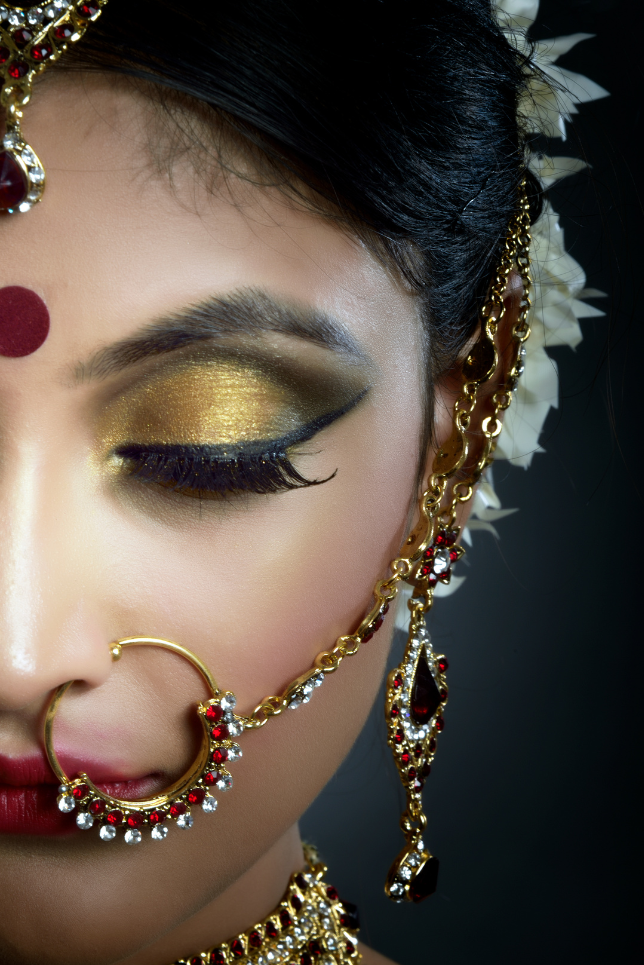
The last time she left our home, she was wrapped in a beautiful saree, looking almost like a divine figurine. She stood there for a moment, scanning the entire house with her eyes: every wall, every corner, without knowing that this would be the last time. She sat in the car by herself, resisting, holding back, yet forced to go.
And then she returned.
Not walking.
Not smiling.
Not alive.
She came back wrapped in plastic and a white cloth. My brothers carried her into the same house she had once looked at with hope and fear mixed in her eyes. That sight shattered us. It broke something inside us that can never be repaired.
This is not fate.
This is not destiny.
This is what society does to girls and women.
About the Author
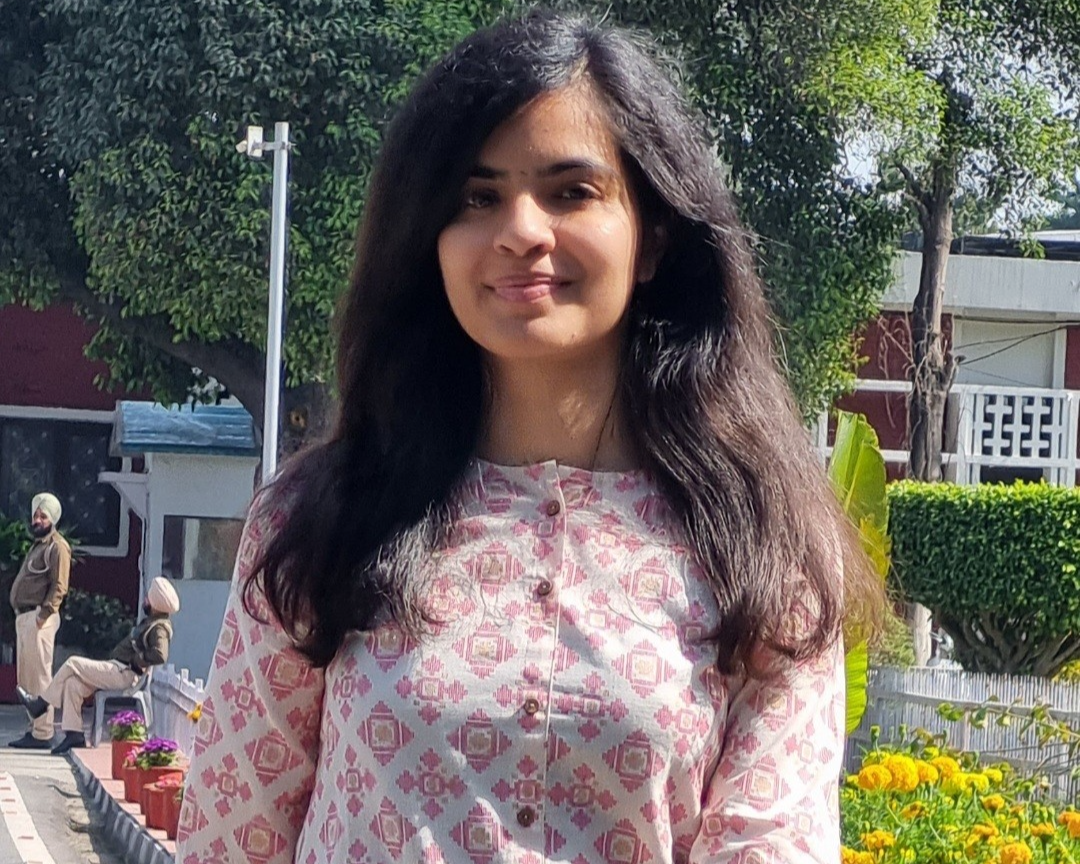
Aditi Verma (she/her) is a student of Political Science & Women's Studies who believes some truths are better spoken through stories than arguments. Through her raw and simple yet powerful writing, she tries to ink the quiet, normalised realities of everyday life: where women’s experiences and politics inevitably meet.
Haryana, India